
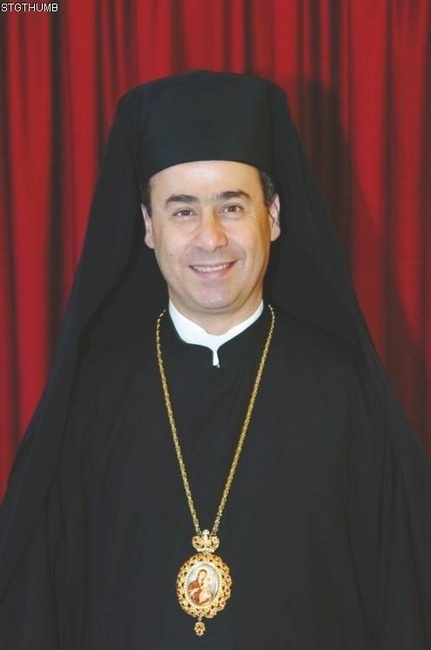
المطران إيلي بشارة حداد ولد في أبلح (البقاع) في 1960/1/28 . تابع دراسته الأولية في مدرسة الآباء البيض – القديسة حنة – في رياق من 1964 الى 1972 ودخل شاباً في دير المخلص في جون حيث أكمل دراسته التكميلية والثانوية لغاية 1979. رسم كاهناً في 9 آب 1986 وأكمل دراسته الفلسفية واللاهوتية في جامعة الروح القدس في الكسليك (1980-1983) و في الجامعة الغريغورية في روما (1983-1985) مع درجة بكالوريوس في اللاهوت.
تابع دراسة الحق القانوني والحق المدني في جامعة الاتران في روما (1985-1987) بدرجة ماجيستير (1987-1989) ودكتوراه ” Utriusque Juris” مع أطروحة في 1994/1/10 وفي 1993-1994 أكمل الدراسة في محكمة الروتا في روما. الروتا هي محكمة مخصصة في قضايا الطلاق في الكرسي الرسولي.
لدى عودته عين كاهن رعية مشغرة (1989) ثم جنسنايا (1990). ثم مرشداً للحركة الدولية لرسالة الأطفال (MIDADE) في لبنان منذ 1994. رئيساً لمحكمة الإستئناف الروم الملكية منذ 1995.
رئيساً للإكليريكية الكبرى للرهبانية المخلصية (1995-2001)، رئيس ديوان البطريركية في الربوة (2002-2007)، أستاذ الحق القانوني في جامعة الروح القدس (USEK) منذ 1995 والمعهد العالي للدراسات الدينية (1995-2007) في جامعة القديس يوسف منذ 1996 وفي معهد القديس بولس في حريصا (1995-2007) وفي جامعة الحكمة منذ 2000.
كاتب عدة كتب ومقالات خاصة في الحق القانوني. انتخبه السينودس المقدس في 11 تشرين 2006 مطراناً على صيدا ودير القمر وقبل السيامة الأسقفية في 24 آذار 2007 في كنيسة القديس بولس في حريصا بوضع يد البطريرك غريغوريوس الثالث بمعاونة المطارنة جورج كويتر وجوزيف كلاس.
عيّن السينودس المصغّر في بطريركية الروم الملكيين الكاثوليك المطران إيلي بشارة حداد في 18 نيسان 2015، مدبراً بطريركياً لإدارة الكرسي الشاغر لأبرشية بترا وفيلادلفيا للروم الكاثوليك، بعد قبول البابا فرنسيس لإستقالة المطران ياسر عيّاش من مهام إدارة الأبرشية، وكذلك بعد إنتهاء عمل المدبّر الرسولي المطران جان سليمان.
Elie Bechara Haddad, BS (born on 28 January 1960 in Ablah (Beqaa Governorate), Lebanon), is the reigning Archbishop of the Melkite Greek Catholic Archeparchy of Sidon.
Life
On September 3, 1983 Elie Bechara Haddad made his religious vows in the Congregation of the Most Holy Redeemer of the Melkite Basilians. After the subsequent formation of priests, he was on 9 July 1986 ordained to the priesthood.
After his ordination he studied Civil Law in Rome and received his PhD in 1994 at the Pontifical Lateran University in Canon law. He was Chairman of the Appellate court in the Melkite Greek Catholic Church. In 1995 Haddad was elected consecrated
Archimandrite and office manager of the Patriarchal office in Raboué. In 1990 he was appointed chaplain of the “Movement of Apostolate of Children (IMAC)” in Lebanon. From 1990 to 2001 Haddad was secretary of his order and directed the Seminary of the Basilians. From 2001 to 2006 he taught canon law at the Saint Joseph University in Beirut, the Holy Spirit University of Kaslik, the Sagessa University in Beirut and in the Saint Paul Institute of Theology and Philosophy in Harissa.
Archbishop Of Sidon
The Synod of the Melkite bishops elected him on 11 October 2006, as successor of the Archbishop Georges Kwaiter. This choice was on 27 January 2007 by Pope Benedict XVI and confirmed on March 24, 2007. Haddad was consecrated by Melkite Patriarch of Antioch Gregory III Laham. As co-consecrators assisted the archbishops Georges Kwaiter and Joseph Kallas of Beirut and Jbeil.
In April 2015 the Synod elected The Most Reverend Elie Beshara Haddad, Archbishop of Sidon and Deir el-Qamar, Eparchial Administratorof the Greek Melkite Catholic Archeparchy of Petra and Philadelphia.
The Situation In The Middle East
Archbishop Haddad was a participant in the Special Assembly of the Synod of Bishops (Catholic) on the Middle East in Romeand moved into a clear position on the situation of Christians in Lebanon.
“He spoke in the Middle East Synod at the Vatican by an increased emigration of Christians from the country, as evidenced by the widespread speech on Thursday. The sale of land from a Christian owned currently developing as a “dangerous phenomenon,” Haddad said. This could be a threat to the Christian presence in Lebanon, to their disappearance. Haddad called the Eastern Churches connected to Rome on mutual solidarity in order to avert this danger. In addition, the Archbishop called for a change in attitude of the Church towards Islam, which clearly distinguishes between Islam generally and some fundamentalist movements. Haddad spoke out in favor of a more sustainable form of support for the Oriental Churches. This would strip the character of a utility and become a development concept to tie the Christians to their ancestral places and to create jobs.”